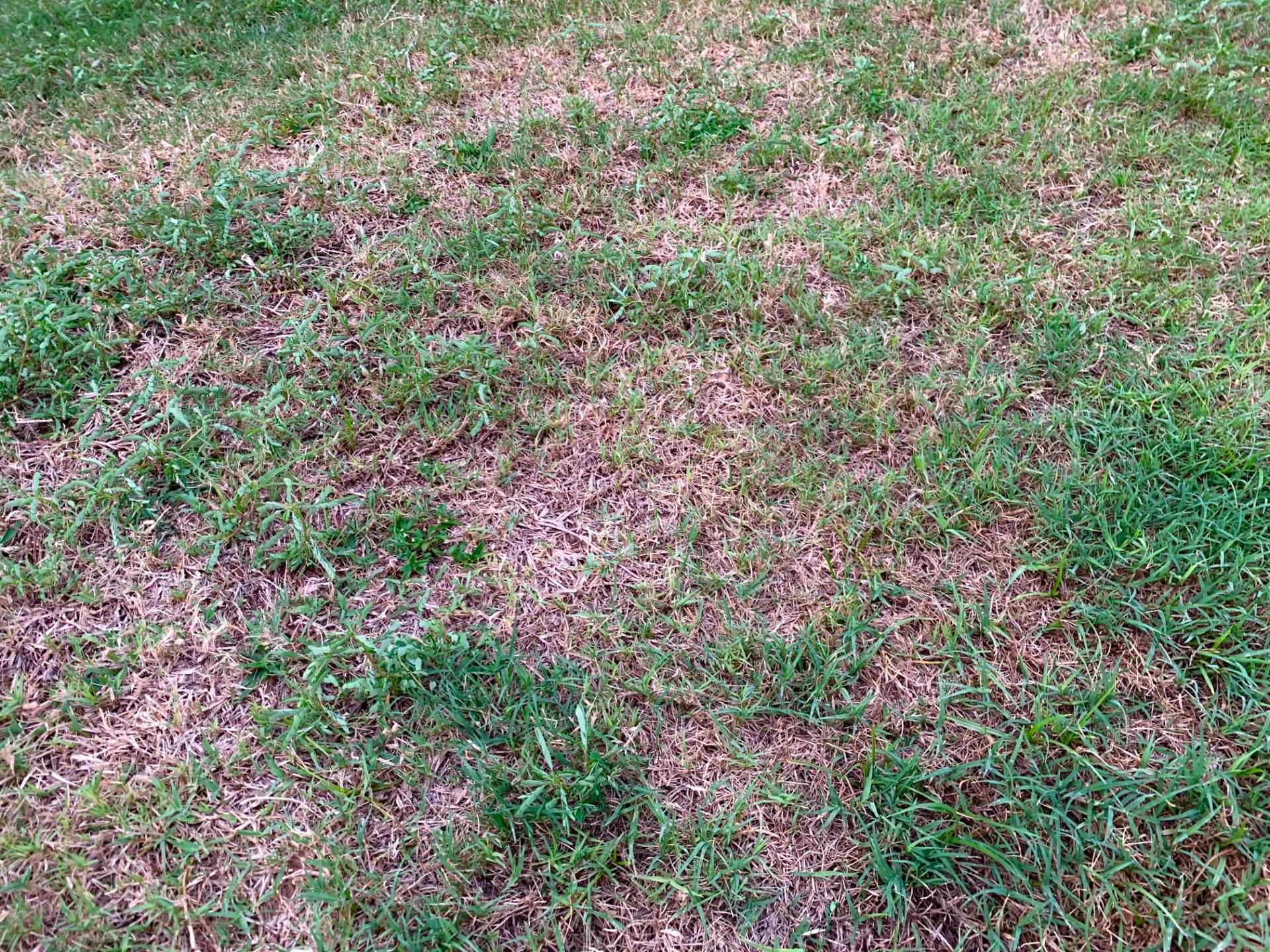
What Is Lawn Fungus and How Do You Fix It?
Lawn fungus isn't something that invaded your yard — it's always in your soil, waiting for hot, humid weather and grass that stays wet too long. Here's how to tell disease from burn, dormancy, and grubs, identify the common summer diseases, and fix them with the free changes that work before you ever reach for a fungicide.
What Is Lawn Fungus and How Do You Fix It?
Published on LawnMaps.com | Estimated read time: 5 minutes
Late summer has a way of undoing a lawn. You did everything right through spring, and then a stretch of muggy 90-degree days rolls in and suddenly there are spots, rings, or thinning patches where there weren't any before. Nine times out of ten in August and September, that's lawn fungus.
Here's the part that surprises people: fungus isn't something that invaded your yard. It's already there — in every lawn, all the time, sitting in the soil and thatch doing nothing. It only becomes a disease when the weather hands it an opening.
That's actually good news, because it means you have more control than you think. Let's cover what fungus is, how to tell if that's even what you're looking at, which diseases you're most likely to have, and how to fix it — mostly without spraying anything.
What lawn fungus actually is
Turf disease needs three things to line up at the same time:
- The fungus — always present, no exceptions.
- Grass that's susceptible — stressed, cut too short, over- or under-fed, or a variety that's just prone to that disease.
- The right weather — and this is the trigger.
Since you can't remove the fungus and you can't change the weather, the whole game is #2. Everything in the "how to fix it" section below is really about making your grass a worse host.
The weather part is worth understanding, because it explains the timing. Almost every summer lawn disease needs extended leaf wetness — grass blades that stay damp for eight, ten, twelve hours at a stretch. Heavy dew does it. Evening watering does it. Humid nights that never let the lawn dry out do it. Add heat, and you've built exactly the environment fungus has been waiting for.
That's why disease flares in the muggy back half of summer and not in April, and it's why the single most effective fix is free: get your grass dry faster.
First — is it actually fungus?
Brown grass has a lot of causes, and fungicide only fixes one of them. Before you buy anything, rule out the impostors:
| What you're seeing | Probably | Why |
|---|---|---|
| Sharp-edged stripes or clean geometric shapes, right after you fertilized | Fertilizer burn | Disease doesn't draw straight lines |
| The whole lawn uniformly tan during a hot, dry stretch | Summer dormancy | Disease is patchy; dormancy is even |
| Turf that peels up like carpet with no roots | Grubs | Roots are eaten away underneath |
| Small dark-green-ringed spots where the dog goes | Pet urine | Same salt mechanism as fertilizer burn |
| Irregular spots, rings, or patches appearing in humid heat, spreading over days | Fungus | Spreads and multiplies; tied to weather, not to something you did |
The two biggest tells for disease: it spreads or multiplies over days, and it showed up after a spell of heat and humidity rather than after something you applied. If it's not growing and you can trace it to an event, look at burn or dormancy first.
We've got full guides on fertilizer burn and summer dormancy if either of those sounds closer to your situation, and a grub rescue guide if your turf is lifting.
The diseases you're most likely to have
You don't need to become a plant pathologist. But knowing roughly which one you have matters, because the fertilizer advice actually flips depending on the answer.
Brown patch — a handful of large circular patches, dinner-plate to several feet across, with a grayish "smoke ring" around the edge in the early morning. Loves hot days, sticky nights above 65°F, and lawns pushed hard with nitrogen. Tall fescue is its favorite target.
Dollar spot — many small tan spots, roughly silver-dollar sized, often dozens of them. Look for a bleached band across an individual blade with a reddish-brown border. Shows up in heavy dew, and — this is the twist — on lawns that are a little underfed.
Those two get mistaken for each other constantly and need opposite fertilizer moves, so if you're seeing spots, our dollar spot vs. brown patch guide walks through the ID in detail with photos.
Red thread — patches with a pinkish or reddish cast, and if you look closely, tiny red threads binding the blade tips together. A classic sign of nitrogen-hungry grass. Usually more cosmetic than fatal.
Rust — walk across the lawn and your shoes come back orange. It's a powdery orange dust on the blades, common in late summer on slow-growing, underfed grass. Rarely serious.
Pythium blight ("grease spot") — dark, greasy-looking, water-soaked streaks that often follow drainage paths, sometimes with cottony growth in the morning. This one is genuinely fast and destructive in hot, saturated conditions. If you're seeing greasy streaks after heavy rain in the heat, act quickly.
Leaf spot / melting out — small dark-bordered spots on blades that, left alone, thin the lawn out into a general shabbiness rather than distinct patches.
Notice the pattern: red thread, rust, and dollar spot all point to a hungry lawn. Brown patch and pythium point to a lawn that's been fed too hard in the heat. That's the single most useful diagnostic split you can carry around.
How to fix it — cultural first, always
For every disease on that list, the order of operations is the same: change the conditions first, reach for a fungicide only if you have to. Cultural fixes cost nothing, they prevent the next outbreak instead of just the current one, and they make any fungicide you do use work better.
1. Water early in the morning, deeply and rarely. Between 4 and 9 a.m. is ideal. You want the lawn soaked, then dry by evening. One or two deep soakings a week beats daily sprinkles — deep watering drives roots down, and daily light watering keeps the blades wet for exactly as long as the fungus wants. Never water in the evening. If you change one thing, change this.
2. Mow high. Taller grass shades the soil, keeps roots cooler, and handles stress dramatically better. For tall fescue in summer, 3.5 to 4 inches. Short grass is stressed grass, and stressed grass gets sick.
3. Keep the blade sharp. A dull mower shreds the tips instead of cutting them, leaving ragged wounds that are open doors for infection. Look at your blade tips — if they're frayed and tan, sharpen.
4. Don't mow when it's wet. You'll carry spores from one patch across the whole lawn on your tires and deck.
5. Improve airflow and drainage. Thin overhanging branches, aerate compacted soil, and deal with heavy thatch. Anything that helps the lawn dry faster takes away the fungus's main requirement.
6. Get the nitrogen right — this is the one that flips. If you've got dollar spot, red thread, or rust, a light feeding helps the grass outgrow the damage. If you've got brown patch or pythium, do the opposite and hold off on nitrogen entirely until the weather cools. Feeding a lawn during a brown patch outbreak in August pours fuel on the fire.
When a fungicide makes sense
Most home lawns recover from most diseases on cultural fixes alone, especially once the weather breaks. But if the damage is spreading fast, if it's pythium, or if you've invested a lot in a lawn you don't want scarred, a fungicide is reasonable. A few things worth knowing before you buy:
- Match the active ingredient to the disease. The most common homeowner mistake: the widely sold bag with azoxystrobin as its only active ingredient works on brown patch but does almost nothing for dollar spot. Read the active ingredient, not the front of the box.
- Broad, reliable options: propiconazole works on both brown patch and dollar spot. Chlorothalonil is a solid contact option for dollar spot. Combination products that pair a strobilurin with a DMI (azoxystrobin + propiconazole, for example) cover a wider range.
- Contact vs. systemic: contact products sit on the leaf and protect what's there — fast, but they wash off and need reapplying. Systemics move into the plant and last longer. Systemics are usually the better value for a homeowner.
- Rotate. If you spray more than twice in a season, alternate between different chemical families. Using the same one repeatedly is how fungus builds resistance.
- Follow the label for rate and interval — typically every 14 to 28 days while conditions stay favorable. Under-applying wastes money; over-applying isn't better.
And know what a fungicide does and doesn't do: it protects the healthy grass around the damage from getting infected. It does not resurrect blades that are already dead. That part is on new growth.
Your next steps
- Go out early in the morning, while dew is still down — that's when the diagnostic signs (smoke rings, webbing, red threads) are visible.
- Rule out burn, dormancy, and grubs first using the table above.
- Note the pattern: many small spots, or a few big rings?
- Fix watering timing and mowing height today. These are free and they matter more than anything in a bottle.
- Adjust nitrogen based on which disease you have — up for dollar spot and red thread, off for brown patch.
- Only spray if it keeps spreading, and match the active ingredient to the disease.
Then be patient. Once the humidity breaks and nights cool off, most summer disease stops advancing on its own and the lawn grows out of the damage. Fall is coming, and fall is when cool-season grass does its best repair work of the year.
Most disease pressure is a weather problem, which means knowing your conditions is half of staying ahead of it. LawnMaps tracks soil temperature for your specific property, so you can see when you're heading into peak disease weather — and when it's finally cooled off enough to safely feed and seed again. And if you do end up buying a fungicide, map your lawn for free at LawnMaps.com first so you're applying the right rate over your actual square footage instead of guessing.