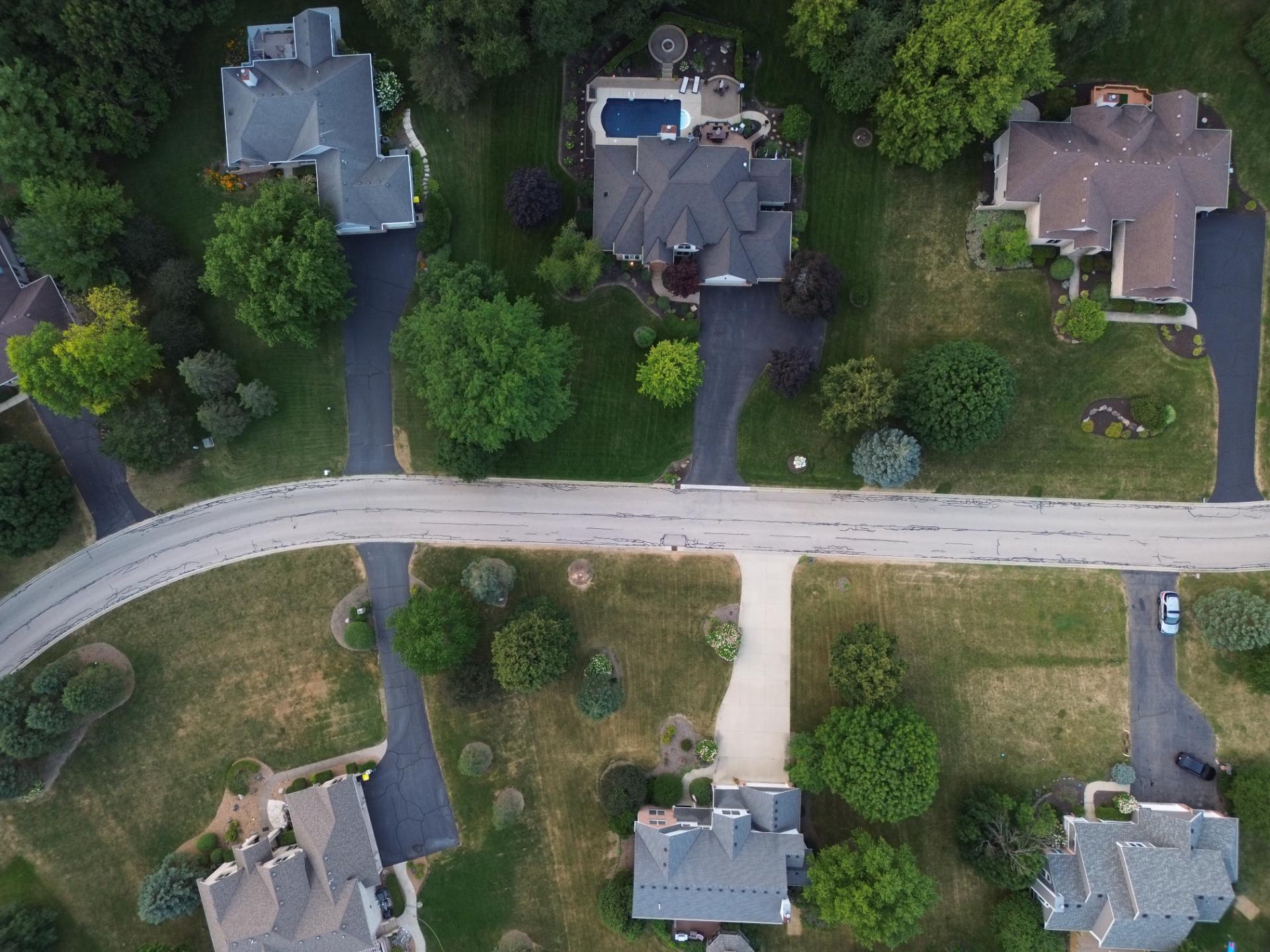
Summer Dormancy: Why the Whole Street Is Brown and You Don't Have to Be
The whole street is brown and your lawn is next — but here's the thing: those tan lawns probably aren't dead, they're dormant. Learn the difference, why you don't have to follow the neighbors, and the one summer watering mistake that actually kills grass.
Summer Dormancy: Why the Whole Street Is Brown and You Don't Have to Be
Published on LawnMaps.com | Estimated read time: 5 minutes
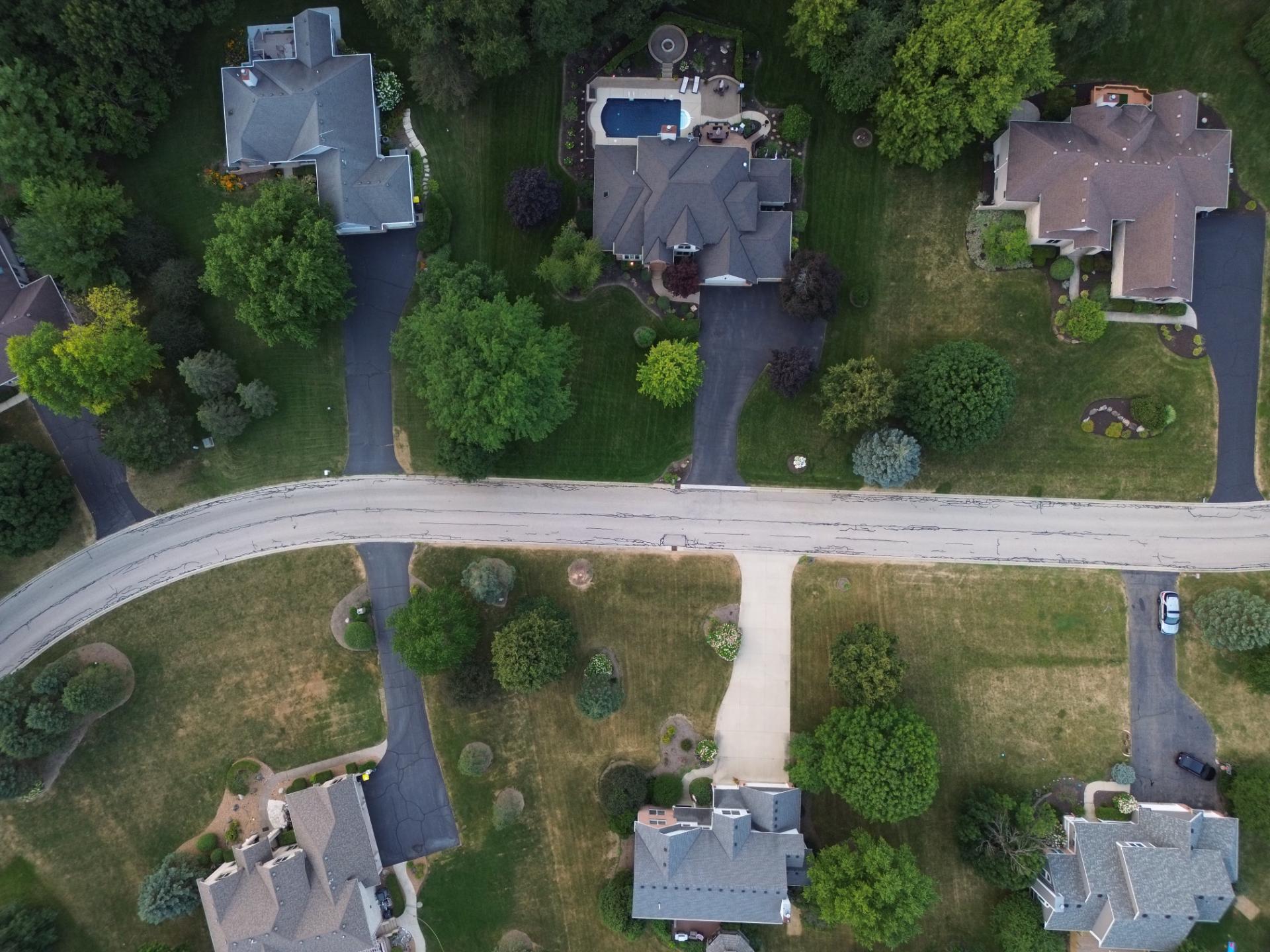
Take a look around your neighborhood in the heat of summer and you'll often see the same thing: lawn after lawn gone crispy and tan, while maybe one or two stay stubbornly green. It's easy to assume the brown lawns are dying and the green ones just have a secret. The truth is more interesting — and it means the choice of which lawn you want is actually yours to make.
Most of those brown lawns aren't dead. They're dormant. And understanding the difference changes how you handle your yard all summer.
What dormancy actually is
Dormancy is your grass's survival mode. When cool-season grasses — the northern-lawn types like Kentucky bluegrass and tall fescue — hit a stretch of heat and dry weather, they do something smart: they stop putting energy into green top growth and go quiet to protect themselves. The blades turn tan, growth basically stops, and the plant hunkers down, keeping its crown (the growing point at the base, right at the soil line) alive while it waits out the stress.
So a dormant lawn looks dead, but it's really just asleep. When cooler temperatures and fall rain return, dormant grass wakes up and greens back up on its own. It's the same trick trees pull in winter — they're not dead, they're waiting.
That's why the whole street can go brown in August and be lush again by October. Nobody did anything wrong. The grass did exactly what it's built to do.
Dormant or actually dead? How to tell
Before you decide anything, it's worth confirming your grass is dormant and not genuinely dead. A few quick checks:
- The tug test. Grab a handful of the brown grass and pull gently. Dormant grass holds firm and the crown at the base still has a little give and pale color to it. Dead grass pulls out easily with no resistance.
- The water test. Water one small patch well for about a week. Dormant grass will start pushing green within 7–10 days. Dead grass just stays brown.
- Look at the pattern. Uniform, whole-lawn browning that tracks the heat is classic dormancy. Sharp-edged patches, spreading spots, or turf that peels up like a carpet point to something else — burn, disease, or grubs — and those need a different fix.
If it's uniform and it passes the tug test, relax. It's dormant.
Here's the part nobody tells you: it's your call
This is where you get to ignore what the neighbors are doing. Once a cool-season lawn is stressed by summer heat, you have two perfectly valid strategies, and neither one is "wrong":
Option 1 — Let it go dormant. This is the low-input, water-saving choice, and it's completely fine for an established, healthy lawn. You accept a tan lawn for a few weeks in exchange for near-zero watering and mowing. Most lawns can sit dormant for several weeks without harm.
Option 2 — Water to keep it green. If you want that green island, you commit to watering deeply and consistently — roughly 1 to 1.5 inches per week, delivered in one or two deep soakings rather than daily sprinkles. More water, more cost, more mowing, but a green lawn all summer.
The one thing you should not do is bounce back and forth. Which brings us to the single most important rule.
The one rule if you let it go dormant: don't wake it up and drop it again
When grass goes dormant, it's living off stored energy. Every time you water enough to green it up and then let it go brown again, you force it to spend that energy waking up — and it has a limited number of those cycles in it. Yo-yoing between green and dormant several times in a summer is what actually kills a lawn that dormancy alone never would have.
So pick a lane. If you've decided to ride out the dormancy, don't panic-water after a dry week and then quit again. Instead, just keep it alive: give a dormant lawn about a quarter to half an inch of water every two to three weeks. That's not enough to wake it up — it's just enough to keep the crown hydrated so it can bounce back when the weather breaks. And try to stay off it; dormant grass is fragile and foot traffic can leave lasting bare tracks.
Mowing a stressed or dormant lawn
Your neighbors may still be out there cutting on their usual weekend schedule, but you genuinely don't have to — dormant grass is barely growing, so there's often nothing to cut. When you do mow in summer heat, a few adjustments make a big difference:
- Raise the deck and mow high. Taller grass shades the soil, keeps roots cooler, and holds moisture. This is your best defense against heat stress, period.
- Mow less often. Let the grass tell you. If it hasn't grown, skip the week.
- Never scalp it. Cutting a stressed lawn short is one of the fastest ways to tip dormant into dead.
- Keep the blade sharp and mow in the cool of the day — early morning or evening, never the blazing afternoon.
And whatever you do, don't fertilize a dormant or heat-stressed lawn. Feeding grass that can't actively grow is a recipe for fertilizer burn — you'd be pouring salt onto a plant that's already struggling. Save the feeding for when it's actively growing again.
The takeaway
When the whole block turns tan, that's summer dormancy, not a neighborhood-wide funeral. Confirm yours is dormant with a quick tug-and-water test, then make a deliberate choice: ride it out to save water, or commit to deep, regular watering to stay green. Just don't flip-flop — that's the real killer. Mow high, mow less, skip the fertilizer, and let the grass do its thing. Come fall, the dormant lawns green right back up.
Timing the wake-up is easier when you're not guessing. LawnMaps tracks the soil temperature for your property, so you can see when the summer heat stress is easing and it's safe to start feeding and actively caring for your lawn again. And if you're going the water-it-green route, map your lawn for free at LawnMaps.com so you know exactly how much ground you're covering — it's the only way to tell how long to run the sprinkler to hit that one inch a week.