The N-P-K Guide: What the Numbers on a Fertilizer Bag Actually Mean
Those three numbers on every fertilizer bag, like 24-0-10, tell you exactly what's inside: nitrogen, phosphorus, and potassium. Here's what each one does, why most lawn bags have a zero in the middle, and the simple math to figure out how much to spread.
The N-P-K Guide: What the Numbers on a Fertilizer Bag Actually Mean
Published on LawnMaps.com | Estimated read time: 5 minutes
Walk down the fertilizer aisle and every bag has three big numbers on the front: 24-0-10, 10-10-10, 18-24-12, 32-0-4. They look like a code, and the marketing on the bag ("Turf Builder!" "Weed & Feed!" "Winterizer!") doesn't explain much.
Those three numbers tell you almost everything you need to know about what's in the bag, though. Once you can read them, you can pick the right fertilizer for the season and work out how much to spread. You'll also stop paying for nutrients your lawn doesn't need.
Here's how to decode them in about five minutes.
The three numbers, in plain English
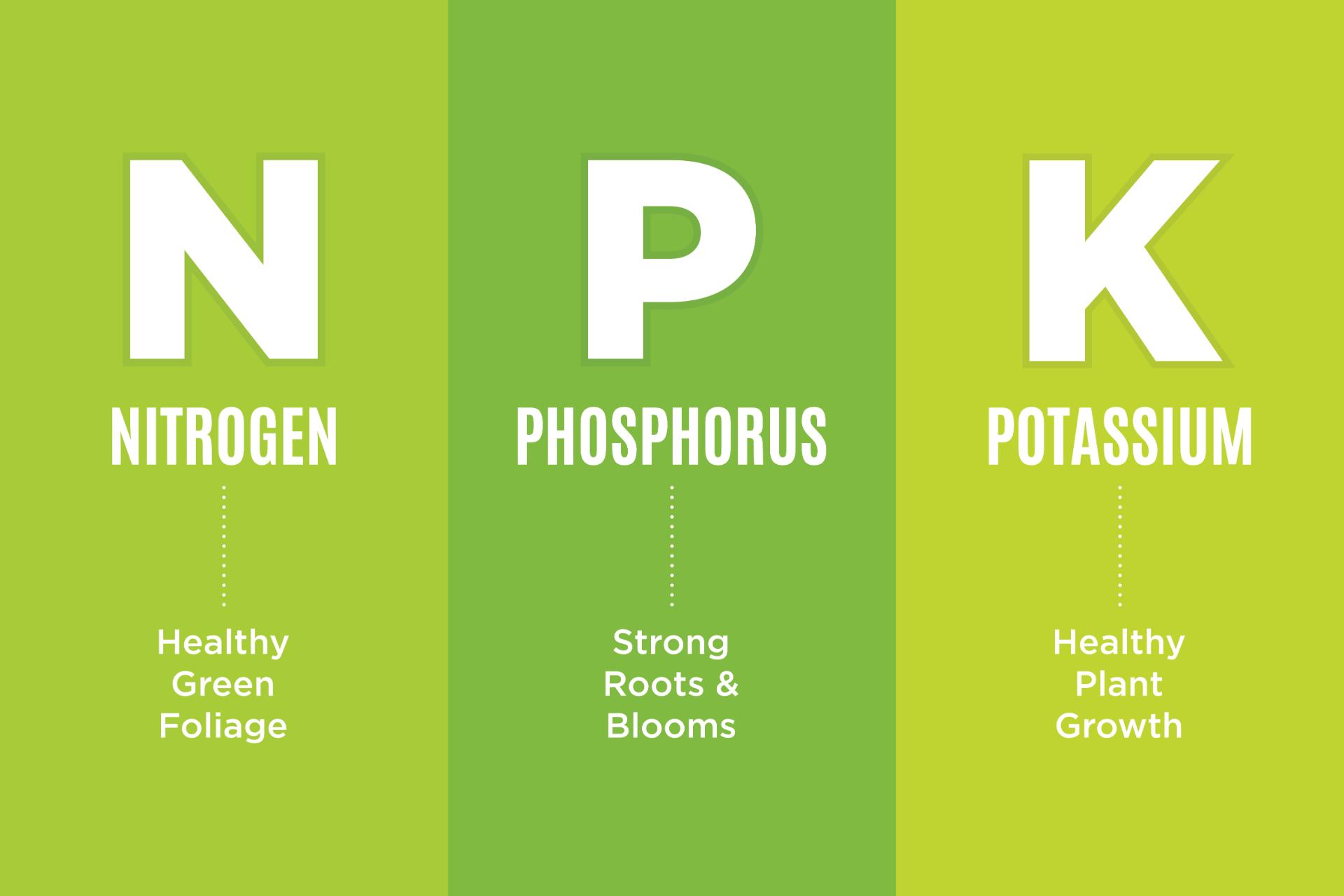
The numbers are always in the same order: N-P-K, which stands for nitrogen, phosphorus, and potassium. Each number is the percentage of that nutrient in the bag, by weight.
| Number | Nutrient | What it does for your lawn | Think of it as… |
|---|---|---|---|
| 1st (N) | Nitrogen | Leaf growth and green color | The "green-up" nutrient |
| 2nd (P) | Phosphorus | Root growth, especially in new grass | The "new seed" nutrient |
| 3rd (K) | Potassium | Stress tolerance: heat, cold, drought, disease | The "toughness" nutrient |
So a bag labeled 24-0-10 is 24% nitrogen, 0% phosphorus, and 10% potassium.
(Technically, the second and third numbers measure phosphate and potash, which are compounds of phosphorus and potassium. You don't need to worry about that difference. Just read them as P and K.)
Wait, what's the rest of the bag?
If 24-0-10 adds up to 34%, what's the other 66%? It's mostly filler and carrier material, the granules that hold the nutrients and help them spread evenly. Some bags also contain smaller amounts of other nutrients like iron or sulfur, which will be listed on the back.
Filler isn't a rip-off. Pure nitrogen would be nearly impossible to spread evenly at home, and you'd burn your lawn in no time. (If that's ever happened to you, our fertilizer burn article walks through the fix.)
Nitrogen: the number that matters most
For an established lawn, nitrogen is the main event. It's what your grass uses most, and it's the nutrient you'll spend most of your time planning around.
Because of that, lawn care rates are almost always given in pounds of nitrogen per 1,000 square feet. You'll see advice like "apply 1 lb of N per 1,000 sq ft." That means one pound of actual nitrogen, not one pound of product.
Here's how to turn that into pounds of product:
Pounds of product per 1,000 sq ft = Desired lbs of N ÷ (N number ÷ 100)
Example: You want 1 lb of N per 1,000 sq ft, and your bag is 24-0-10.
- 1 ÷ 0.24 = about 4.2 lbs of product per 1,000 sq ft
- A 5,000 sq ft lawn needs about 21 lbs of that fertilizer
- A 50-lb bag would cover roughly 12,000 sq ft at that rate
This is why knowing your lawn's square footage matters so much. Without it, you're guessing, and guessing is how lawns end up underfed or burned. You can map your lawn for free at LawnMaps.com to get your exact square footage, zone by zone.
Quick-release vs. slow-release nitrogen
Flip the bag over and look for the words "slow-release" or "controlled-release," often written as a percentage of the total nitrogen.
- Quick-release nitrogen greens up the lawn fast, often within days. But it's used up quickly and is more likely to burn if you over-apply.
- Slow-release nitrogen feeds gradually over 6–10 weeks. You'll see more even growth and a lower burn risk.
For most homeowners, a bag with a good share of slow-release nitrogen (around 30% or more) is the more forgiving choice.
Phosphorus: why so many bags say "0"
You may have noticed that most lawn fertilizers have a 0 in the middle. That's on purpose.
Most established lawns already have plenty of phosphorus in the soil. Extra phosphorus washes off into storm drains, lakes, and streams, where it feeds algae blooms. Because of this, many states restrict or ban phosphorus in lawn fertilizer for established lawns. Exceptions usually cover new seeding or a soil test that shows you need it.
When phosphorus does make sense: seeding or sodding a new lawn. Young grass is building roots from scratch, and phosphorus helps. That's what starter fertilizer is for, a bag with a high middle number like 18-24-12. (It's the same starter step in our Seed Day overseeding checklist.)
Honest beginner tip: if your lawn is established and you've never done a soil test, a zero-phosphorus fertilizer is the right default. You don't need to add it "just in case."
Potassium: the quiet helper
Potassium won't make your lawn greener, but it helps grass handle stress: summer heat, drought, foot traffic, winter cold, and some diseases. That's why fall "winterizer" blends often include a decent amount of potassium.
Most balanced lawn fertilizers include some potassium already, and many soils have enough. A soil test is the only way to know for sure, and you only need one every few years.
Common bag numbers decoded
| Bag says | What it's for | When to use it |
|---|---|---|
| 32-0-4 | Mostly nitrogen, fast green-up | Spring or early fall feeding on established lawns |
| 24-0-10 | Nitrogen plus stress-fighting potassium | General use; good fall and late-fall choice |
| 18-24-12 (or similar) | Starter fertilizer, high phosphorus | New seed or sod only |
| 10-10-10 | "Balanced," garden-style | Better suited to gardens; less ideal for established lawns |
| "Winterizer" (varies) | Late-fall feeding, usually N + K | Late fall, after top growth slows |
A quick note on weed & feed products: they combine fertilizer with a weed killer. They can be convenient, but the best time to feed and the best time to kill weeds don't always line up, and most can't go on newly seeded areas. Read the label closely.
How much nitrogen does a lawn need per year?
For cool-season grass (bluegrass, fescue, ryegrass), a typical program lands around 2–4 lbs of nitrogen per 1,000 sq ft per year, split across several feedings. Fall feedings matter most. Heavy spring and summer feeding is where people get into trouble. Our summer lawn feeding article explains why less is more in hot weather.
For warm-season grass (Bermuda, Zoysia, St. Augustine), feeding happens during the summer growing season, and you'll stop by early fall. Not sure which you have? Our cool-season vs. warm-season guide can help.
A good rule for any single feeding: stay at or below 1 lb of N per 1,000 sq ft, and less if it's mostly quick-release.
Your N-P-K cheat sheet: what to do next
- Read the three numbers on any bag before you buy: nitrogen, phosphorus, potassium.
- Measure your lawn so you know your total square footage.
- Do the math: desired lbs of N ÷ (first number ÷ 100) = lbs of product per 1,000 sq ft.
- Skip phosphorus on established lawns unless a soil test or new seeding says otherwise.
- Look for slow-release nitrogen for a gentler, more even feed.
- Right now, in late fall: if you have cool-season grass, this is winterizer time. Our fall lawn care checklist covers the timing.
Make the math easy
The hardest part of fertilizing isn't choosing a bag. It's knowing how much ground you're covering. Map your lawn for free at LawnMaps.com and you'll have your exact square footage for every zone, so you can buy the right number of bags and set your spreader with confidence. And because the best feeding windows follow the weather, not the calendar, you can check your soil temperature anytime in your LawnMaps dashboard to time each application right.