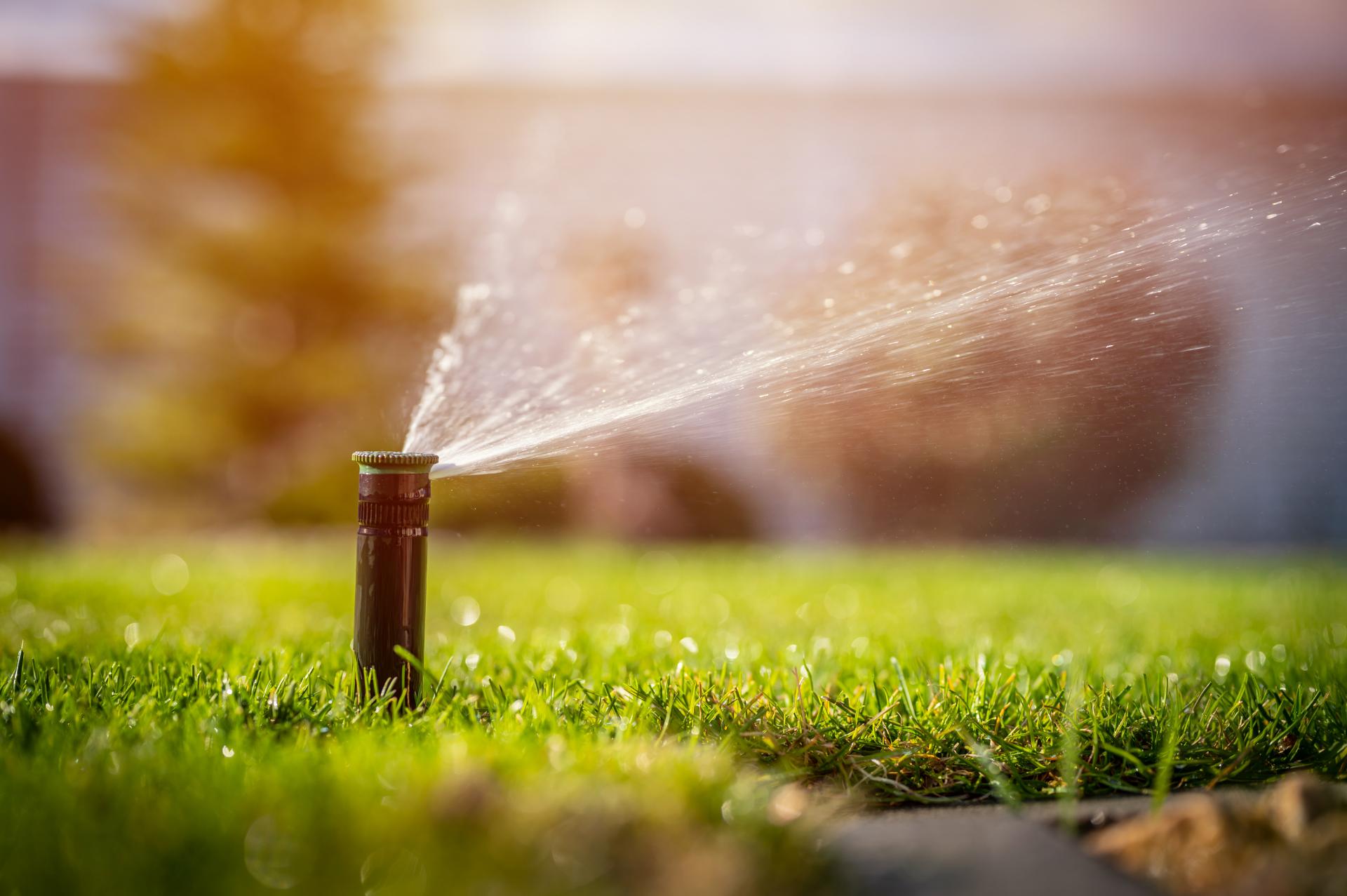
How to Water Your Lawn the Right Way
Most homeowners water their lawn too often, too lightly, or at the wrong time of day — and any one of those mistakes leads to shallow roots, fungus, or a stressed-out lawn by July. Here's the simple watering routine that builds deep roots, saves water, and keeps your grass green through the hottest stretches of summer.
If your lawn is looking a little stressed by mid-summer, watering is almost always part of the conversation. The tricky part? Most homeowners are either watering too much, too little, or at completely the wrong time of day — and any of those can leave you with a thirsty lawn, a fungus problem, or a higher water bill than necessary.
The good news: watering correctly isn't complicated once you know the basics. Let's walk through it.
Why Watering the Right Way Matters
Grass roots grow toward water. That sounds obvious, but it's the single most important idea behind smart watering.
If you water a little bit every day, the roots stay near the surface — because that's where the water is. Shallow roots mean a lawn that wilts the second the weather gets hot or dry.
If you water deeply but less often, the roots chase the moisture down into the soil. Deeper roots mean a tougher, more drought-resistant lawn that can handle a stretch of 90-degree days without panicking.
So the goal isn't just watering — it's training your roots to grow down.
The Golden Rule: 1 Inch Per Week
For most cool-season lawns (Kentucky bluegrass, fescue, ryegrass), the magic number is about 1 inch of water per week, including rainfall. Warm-season grasses (Bermuda, zoysia) are a little more flexible, but 1 inch is still a solid baseline.
That 1 inch should come in 1 or 2 deep waterings, not daily sprinkles.
Here's why that matters:
| Watering Style | What Happens |
|---|---|
| Light watering daily | Shallow roots, weak lawn, more weeds and fungus |
| Deep watering 1–2x per week | Deep roots, drought-tolerant, healthier turf |
How to Measure 1 Inch of Water
You don't need fancy equipment. Grab a few empty tuna cans, cat food cans, or any straight-sided container, and place them around your lawn while the sprinkler runs. When the water in the cans reaches 1 inch, you've delivered enough.
Time how long that took. Now you know exactly how long to run your sprinkler each week — no guessing.
Pro tip: If you have multiple lawn zones (front yard, back yard, side strip), they may need different run times depending on sun exposure and soil. You can map and label your zones for free at LawnMaps.com, which makes it easy to keep track of how each area is doing.
When to Water: Early Morning Wins
The best time to water is between 4 a.m. and 9 a.m. Here's why:
- Less evaporation — cooler temps and lower wind mean more water reaches the roots
- Grass dries before evening — wet grass overnight is a fungus invitation
- Stronger uptake — grass naturally absorbs water best in the morning
Avoid evening watering whenever possible. Grass sitting wet overnight is one of the biggest causes of lawn fungus, especially in humid summer weather.
Midday watering isn't terrible, but you'll lose a chunk of it to evaporation before it ever soaks in.
How to Tell If Your Lawn Needs Water
Your grass will actually tell you when it's thirsty — you just have to know the signs:
- Footprints stay visible. Walk across the lawn. If your footprints don't bounce back within a few minutes, the grass is starting to wilt.
- Color shifts to a dull blue-green. Healthy, well-watered grass is bright green. Stressed grass takes on a grayish, dull tone.
- Blades fold or curl. Grass folds its leaves to conserve moisture when it's running low.
If you see any of these, it's time to water — even if you watered earlier in the week.
Don't Forget to Account for Rain
If you got a solid soaking rain this week, you may not need to water at all. A simple rain gauge (a few bucks at any hardware store) tells you exactly how much fell.
If rain delivered 1 inch, skip your watering this week. If it delivered half an inch, water enough to make up the difference.
What About Smart Sprinkler Controllers?
If you have an in-ground irrigation system, a smart controller (like Rachio or Hydrawise) can pay for itself fast. These pull local weather data and adjust watering automatically — skipping cycles when rain is coming and adding extra time during heat waves.
For a pulse-sprinkler-and-garden-hose setup, you don't need anything fancy. A $10 mechanical timer that screws onto your spigot does the job.
Watering New Seed vs. Established Lawn
The 1-inch rule is for established lawns. If you're germinating new seed (best done in fall — we covered why in our Why Not to Seed in May article), the rules change completely.
New seed needs:
- Light, frequent watering — 2 to 3 times per day for short bursts
- Keep the top half-inch of soil consistently moist until germination
- Once seedlings reach 2 inches tall, gradually shift back to deep, infrequent watering
Don't mix these up. Daily light watering on an established lawn is a recipe for weak roots and fungus.
Common Watering Mistakes to Avoid
- Watering every day — trains shallow roots
- Watering at night — invites fungus
- Ignoring zones — your sunny front yard needs more than your shady back corner
- Running sprinklers during rain — happens more than you'd think; check your controller
- Watering hardscape — adjust spray heads so you're not soaking the driveway
Your Action Plan
Here's the short version to put into practice this week:
- Set out a few tuna cans and time how long your sprinkler takes to deliver 1 inch.
- Water deeply 1–2 times per week, not daily.
- Run sprinklers in the early morning (4–9 a.m.).
- Check footprints, color, and blade shape between waterings to spot thirsty spots.
- Adjust for rainfall — don't water if Mother Nature already did.
Watering well isn't about doing more — it's about doing it smarter. Once you get your timing dialed in, you'll use less water, spend less on your bill, and have a tougher, greener lawn going into the hottest stretch of summer.
Want to make this even easier? Map your lawn zones for free at LawnMaps.com so you can track which areas need more or less water based on sun, soil, and size. You can also build a seasonal plan and export a personalized PDF lawn care guide for your property.