April Showers and Overgrown Grass: How to Mow Right When Spring Gets Away From You
April rain is great for your lawn — until it keeps you off the mower long enough for the grass to get out of hand. Wet clippings, overgrown grass, and skipped weekends are a recipe for yellow patches, clumping, and even fungal disease. Here's how to mow the right way this spring, what to do when your lawn gets away from you, and the one rule you should never break with your mower.
April Showers and Overgrown Grass: How to Mow Right When Spring Gets Away From You
Published on LawnMaps.com | Estimated read time: 5 minutes
Spring is the best time of year for your lawn — and also the most frustrating time to mow it.
The rain keeps coming, the grass keeps growing, and before you know it you've missed two weekends and your lawn looks like it belongs on a nature documentary. Sound familiar?
You're not alone. April and May are when lawns grow the fastest, and wet weather has a way of turning a small delay into a big problem. The good news is there's a right way to handle it — and a few common mistakes that are easy to avoid once you know what to watch for.
Why Spring Mowing Is Different
During spring, your grass is growing at its peak rate. Cool-season grasses especially go into overdrive when temperatures are mild and moisture is plentiful. That means what looked fine on Monday can look shaggy by Friday — and downright unruly if you've had a rainy stretch that kept you off the lawn for a week or two.
The challenge is that spring also brings the conditions that make mowing harder: wet grass, soft ground, and clippings that clump instead of dispersing evenly. Handle it the wrong way and you can actually damage the lawn you're trying to maintain.
The Golden Rule: Never Cut More Than One-Third of the Grass Height
This is the single most important mowing rule — and the one most people break without realizing it.
Cutting too much of the grass blade at once puts the plant under serious stress. Grass uses its blades to photosynthesize (produce energy from sunlight). Chop off too much at once and the plant goes into shock, leaving your lawn looking pale, patchy, and worn out.
The one-third rule: Never remove more than one-third of the grass blade in a single mowing.
Here's what that looks like in practice: if your grass should be maintained at 3 inches, don't let it grow past 4.5 inches before you mow. At that height, cutting back to 3 inches removes exactly one-third.
When spring rain delays your mowing schedule and the grass gets longer than it should, the instinct is to just cut it all the way back down in one pass. Resist that urge — it does more harm than good.
What to Do When Your Lawn Gets Away From You
It happens to everyone. A rainy week, a busy schedule, and suddenly your grass is well past where it should be. Here's how to handle it without stressing your lawn:
Option 1: Mow It Twice
If your lawn has gotten significantly taller than your target height, mow it down in two passes instead of one.
Cut it down partially on the first pass — removing no more than one-third — then wait a few days and mow again to bring it to your desired height. Yes, it takes more time. But your lawn will recover much faster and look a lot better than if you scalped it in one aggressive cut.
Option 2: Bag the Clippings
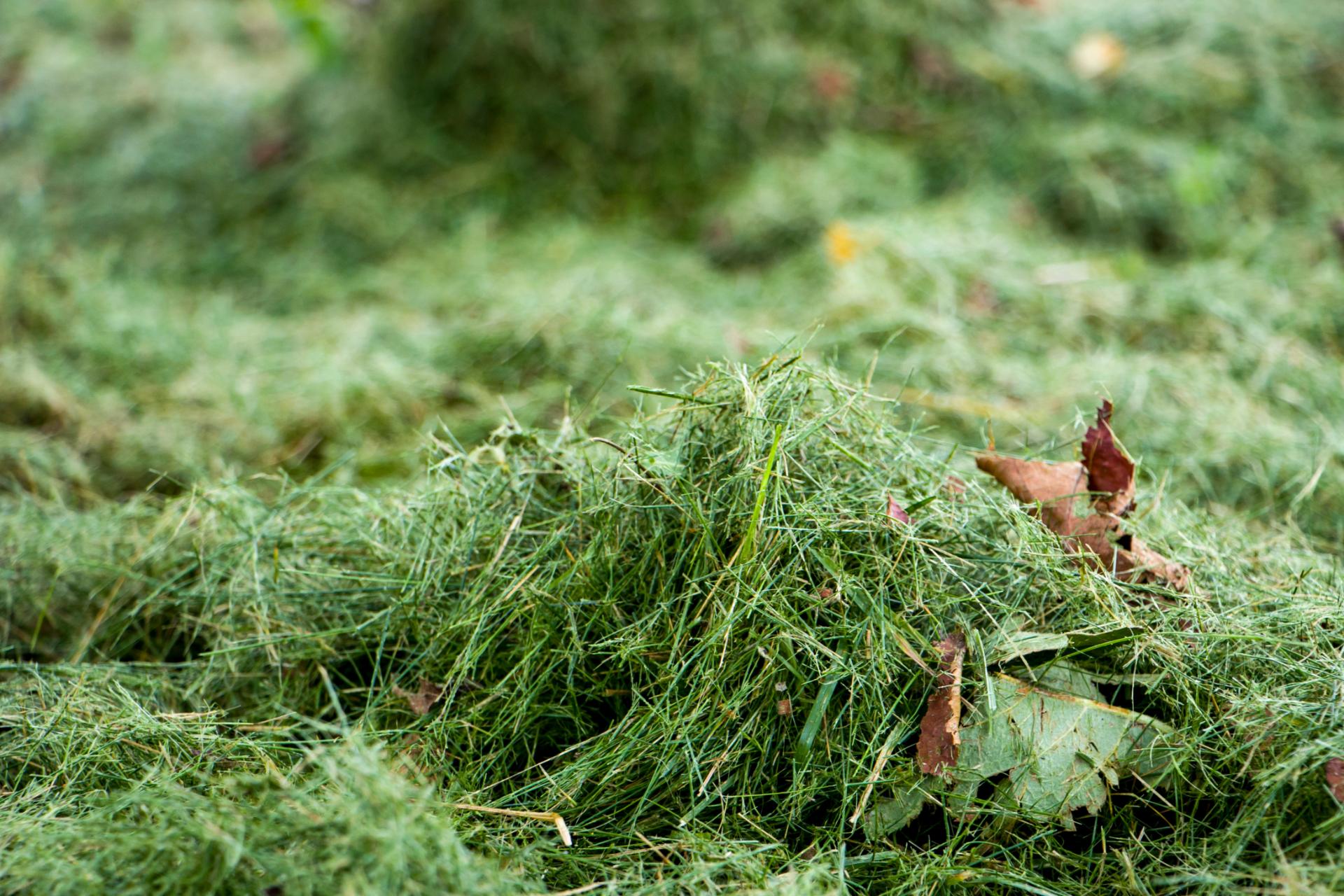
When grass is long, the clippings it produces are long too — and long clippings don't break down the same way short ones do. Instead of filtering down into the lawn and decomposing quickly, they sit on top, clump together, and block sunlight from reaching the grass below.
In these situations, bag your clippings rather than mulching them. Yes, mulching is normally the better choice (more on that below), but when the grass is overgrown, bagging is the smarter call. You can go back to mulching once you're back on a regular schedule.
Mulching Is Great — Until It Isn't
Under normal conditions, mulching your clippings is absolutely the recommended method. When your mower chops clippings into fine pieces and returns them to the lawn, they break down quickly and return nitrogen and organic matter back into the soil. It's essentially free, natural fertilizer.
But mulching only works when clippings are short enough to fall down through the grass canopy. When clippings are too long — whether from an overgrown lawn or wet, clumping grass — mulching causes more problems than it solves.
Large clumps of grass left sitting on your lawn will:
- Block sunlight and suffocate the grass underneath
- Create yellow or dead patches where the grass can't breathe
- Trap moisture against the soil surface, which creates the perfect conditions for fungus and lawn disease
- Look terrible in the meantime
If you finish mowing and notice clumps of grass left behind, don't just leave them and hope for the best. Take a few extra minutes to rake them up or blow them off the lawn. It's a small step that can save you from a much bigger problem later.
Avoid Mowing Wet Grass When You Can
After a stretch of April rain, it's tempting to get out there the moment there's a break in the clouds. But mowing wet grass comes with a few real downsides:
Clumping. Wet grass sticks together and clumps heavily, making the mulching and clumping problems above even worse.
Uneven cuts. Wet grass blades tend to bend and lay over rather than standing upright, which means your mower cuts them unevenly. The result is a ragged, inconsistent look rather than a clean finish.
Soil compaction and ruts. Wet soil is soft soil. Running a heavy mower over it — especially a riding mower — can compact the soil and leave ruts and tracks that are hard to undo.
Spreading disease. If any fungal disease is present in your lawn, mowing wet grass can spread it quickly from one area to another.
What to do instead: If possible, wait until the grass has had at least a few hours to dry out after rain before mowing. Early afternoon on a dry day is ideal. If you absolutely have to mow wet grass, go slowly, raise your mowing height slightly, and plan to clean up clumps afterward.
A Sharp Blade Makes Everything Better
While we're talking about mowing the right way — if you haven't sharpened your mower blade yet this season, now is a good time.
A dull blade doesn't cut grass cleanly. It tears and shreds the tips of the blades instead, leaving ragged edges that turn brown and create entry points for disease. A sharp blade gives you a clean cut that heals quickly and looks noticeably better.
Most mower blades should be sharpened at least once per season — more if you're mowing frequently or have a large lawn. It's a quick job at any small engine repair shop, or a DIY task if you're comfortable with it.
Your Spring Mowing Game Plan
Here's a simple framework to keep your mowing on track even when spring weather doesn't cooperate:
- Stick to a weekly schedule — even if the lawn doesn't look like it needs it. Consistent mowing is much easier than catching up.
- Never cut more than one-third of the grass height at a time — no exceptions.
- Let the grass dry before mowing after rain whenever possible.
- Mulch your clippings under normal conditions — but bag them when the grass is long or wet and clumping.
- Rake or blow away clumps any time they're left behind after mowing.
- Mow twice if your lawn gets away from you — don't try to fix it all in one pass.
- Keep your blade sharp — check it at the start of the season and again mid-summer.
Your Next Step
Spring mowing is all about staying consistent and not letting the rain use up all your excuses. A little discipline now — even just getting out there every week regardless of whether it feels necessary — keeps everything manageable and your lawn looking sharp all season.
If you're building out your full spring lawn care program, LawnMaps.com can help you stay on track. Check your soil temperatures in the dashboard to time your fertilizer and pre-emergent applications, and use your zone map to make sure you're applying the right amount of product across every section of your lawn. Pair that with a solid mowing routine and your lawn will be the best on the block by June. 🌱