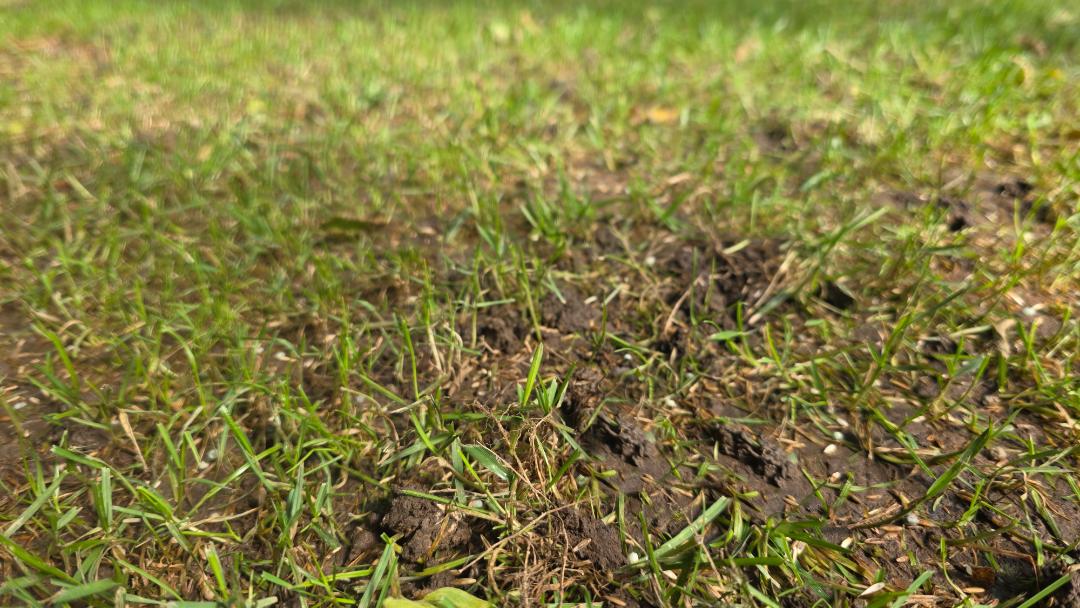
Seed Day: The Exact Fall Overseeding Checklist I Use on My Own Lawn
Fall overseeding comes down to one day done in the right order. Here's the exact Seed Day sequence I run on my own lawn every Labor Day weekend — the low cut, the aeration, the seed, the tank mix (and the one thing that must stay OUT of it), plus the aftercare schedule that gets new grass through October.
Seed Day: The Exact Fall Overseeding Checklist I Use on My Own Lawn
Published on LawnMaps.com | Estimated read time: 5 minutes
Every year, on Labor Day weekend, I overseed my back yard. Same weekend, same ritual. There are maybe 240 days in a growing season, but for a cool-season lawn, one of them matters more than all the others combined: Seed Day.
Overseeding isn't hard, but it's unforgiving about order. Do the right five things in the wrong sequence and you'll bury seed under clippings, spray the wrong thing over your seedbed, or water a fertilizer burn into brand-new grass. So here's the exact checklist I ran on my own lawn this September — what I did, in what order, and why — plus the aftercare schedule that matters just as much as the day itself.
First: Are You in the Window?
Cool-season grass (tall fescue, Kentucky bluegrass, ryegrass) germinates best when soil temperatures are in the 50s and 60s and falling — warm enough to sprout fast, cool enough that the new seedlings aren't fighting summer heat, and early enough that they get 6+ weeks of root growth before your first frost.
For most of the northern half of the country, that means late August through late September. Two honest rules of thumb:
- Count back about 45 days from your average first frost. Seed before that.
- Don't chase a perfect date. If your soil temp is right and the weekend works, that weekend is the right weekend. I've watched people (fine — I've watched myself) agonize over a three-day forecast shift when the whole two-week window was fine. Windows, not deadlines.
The Run-Up (Two Weeks Out)
Seed Day fails in advance, not on the day. Two weeks before:
- Order your seed. Match your existing grass type — the good blends sell out in September.
- Reserve a core aerator (or book the neighbor kid with a strong back). Rental places run dry on fall weekends.
- Buy your day-of products so nothing is missing at 8 a.m.: starter fertilizer, a seed-safe pre-emergent if you're using one, and any bio-stimulants you like.
Seed Day: The Order of Operations
1. Mow low and bag
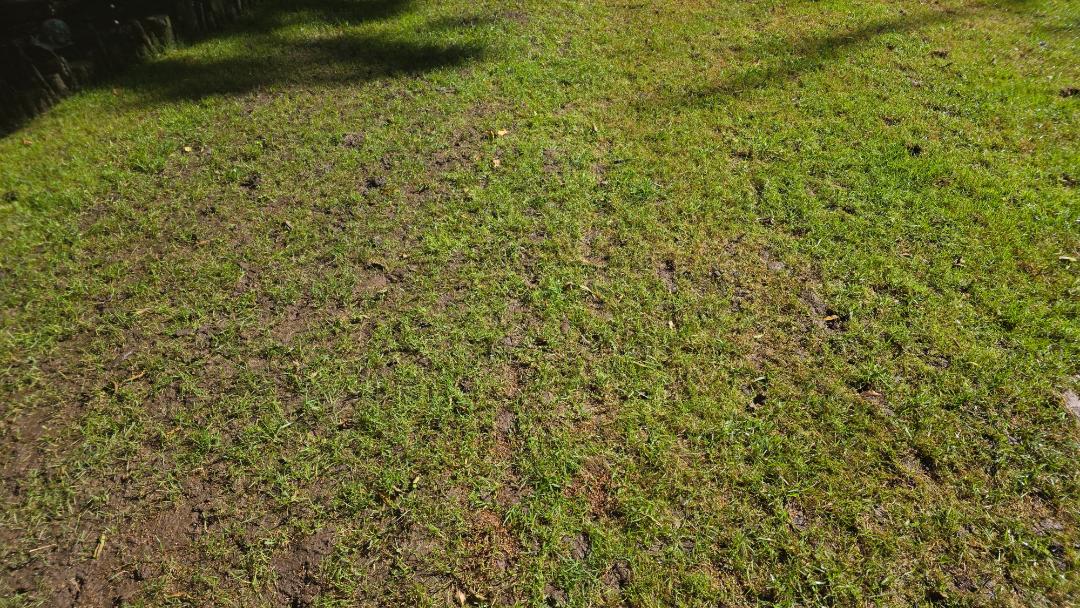
Drop the deck to around 2 inches or a touch under — the lowest cut of the year — and bag the clippings. This isn't scalping for fun: seed has to reach soil, and every inch of leaf and every clump of clippings is a roof between the seed and the dirt. Bonus: the shorter canopy lets sunlight hit the soil surface where your seedlings will live for the next month.
2. Core aerate
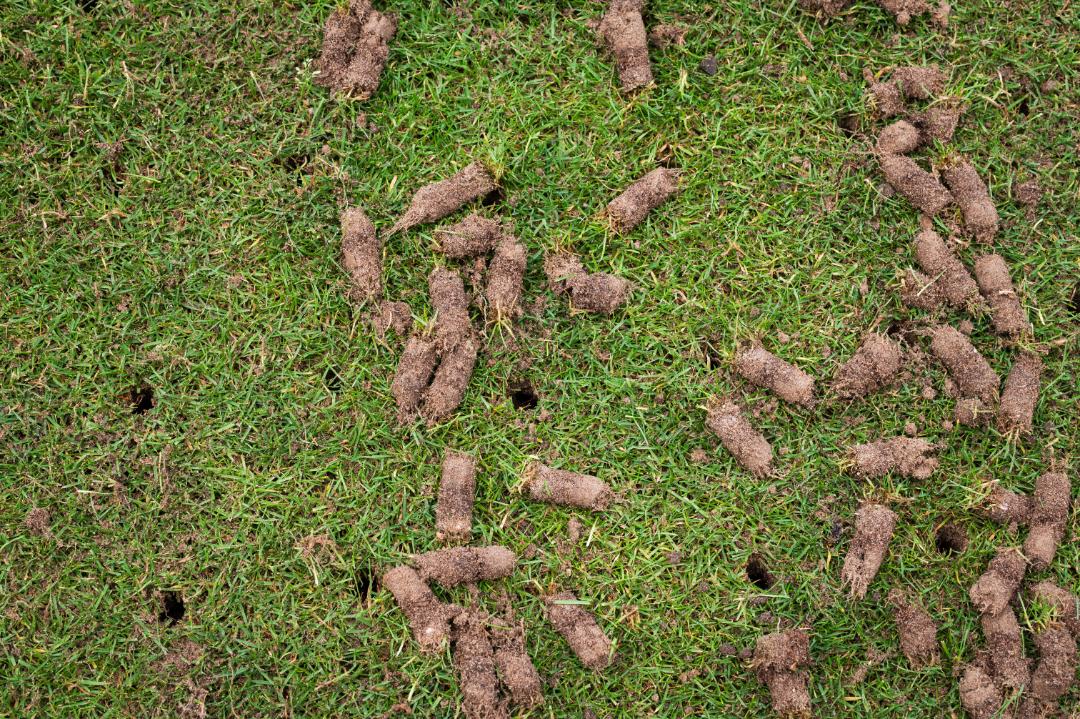
Run the core aerator over the whole area, two passes in different directions if the lawn is compacted. The plugs look ugly for a week; leave them — they break down and topdress the lawn for free. What you're really buying here is thousands of perfect little seed pockets: loose soil, protected from washout, exactly where a seed wants to land.
Aeration is also why the timing question answers itself. If you're going to aerate this fall anyway — and September is the ideal month for it — doing it an hour before you seed is the single biggest seed-to-soil-contact upgrade available.
3. Spread the seed
Overseeding rates are roughly half the new-lawn rate printed on the bag — you're thickening a lawn, not building one from bare dirt. Use a broadcast spreader, and split the total in half and make two perpendicular passes rather than one heavy pass; coverage evens out dramatically.
If you know your spreader's setting for your seed, great. If not, err low and make extra passes — you can always add seed, but you can't unspread it.
4. Starter fertilizer
New seedlings want phosphorus for root development, and this is the one time of year a starter fertilizer (something like an 18-24-12) earns its place — if your soil isn't already high in P and your state allows phosphorus at seeding. Spread it right after the seed goes down.
5. The tank mix — and the one thing that stays out of it
If you spray, this is where fall gets efficient: one tank over the seeded area with everything that helps seed establish. Mine this year was a seed-safe pre-emergent (mesotrione, sold as Tenacity) plus bio-stimulants — sea kelp, humic acid, a root stimulant.
Mesotrione is the special one. It's the only pre-emergent you can spray the same day you seed — it suppresses crabgrass and broadleaf weeds while your desirable grass germinates right through it. Fall seedbeds are weed magnets, and this is the answer.
But here's the rule that surprises almost everyone:
No surfactant in the seed-day tank. None.
Every mesotrione label tells you to add a non-ionic surfactant for post-emergent weed control — so people reflexively add it every time. At seeding, that's backwards. The surfactant exists to help the spray stick to and penetrate leaf tissue, which is exactly what you don't want happening to a germinating seedling. At seeding, mesotrione works through the soil; the surfactant adds nothing but seedling injury risk. It goes back on the shelf until the follow-up app (more on that below).
Two more tank-mix cautions from my own lawn:
- Keep regular pre-emergents (prodiamine, dimension) far away from the seedbed. If you're doing a partial overseed and putting fall pre-emergent down on the rest of the lawn, that's a separate tank and a careful walk — prodiamine over your seed means no lawn, full stop.
- Mesotrione injures fine fescue. My front yard is fine fescue, so it gets aeration and feeding only — no Tenacity. Know what's actually growing in each zone before you spray it.
6. Water it in
Twenty to thirty minutes over everything — enough to settle seed into the soil, dissolve the fertilizer, and move the pre-emergent into the top layer where it works. Then the real watering program starts.
Aftercare: Where Overseeding Is Actually Won
The day gets the attention; the next six weeks decide the result.
Weeks 1–2 (germination): The seedbed must never dry out. Light watering two to three times a day beats one long soak — you're keeping the top half-inch damp, not irrigating deep roots that don't exist yet. Expect first germination in 7–14 days depending on species (rye is fast, bluegrass makes you doubt yourself for three weeks).
After germination: Taper to once daily, then every other day, pushing longer and deeper as roots chase the moisture down.
Spoon-feed nitrogen every 2 weeks. Light, frequent doses of fertilizer keep seedlings driving without the surge growth (and disease pressure) of one big feeding. I run light liquid apps every other week through fall.
First mow: When the new grass hits 3–4 inches, mow on the tall side with a sharp blade. Slow turns — the roots are still shallow enough to tear out.
The follow-up mesotrione app — after two mows, WITH surfactant this time. One at-seeding app of mesotrione doesn't carry the whole fall; a second application about four weeks later cleans up the weeds that snuck through. The gate isn't the calendar, it's the mower: once you've mowed the new grass twice, it's established enough to handle the full post-emergent treatment — and now the surfactant goes in, because this time you want the spray sticking to weed leaves. Same product, opposite rule, and the mow count is what flips it.
The Cheat Sheet
| Step | The point | The mistake it prevents |
|---|---|---|
| Mow low + bag | Seed reaches soil | Seed stranded on thatch |
| Core aerate | Thousands of seed pockets | Poor contact, washout |
| Seed, two passes | Even coverage | Stripes and clumps |
| Starter fertilizer | Root development | Slow, weak establishment |
| Tank mix, no surfactant | Weed-free seedbed | Seedling injury |
| Water in, then light + frequent | Constant seedbed moisture | The #1 overseeding killer: a dry week two |
How LawnMaps Handles Seed Day
This exact sequence is now built into LawnMaps as Seed Day — because a day this important deserves more than a row in a task list.
When your seeding round comes up, your plan turns it into a single ordered checklist: low cut, aerate, seed (with your spreader's setting), the combined tank mix, water-in. The tank mix is computed for your seeded square footage from your lawn map — total product and per-load amounts for your sprayer — with the no-surfactant rule called out right on the card, and any rest-of-lawn products kept in their own separate tank with a keep-off-the-seedbed warning. There's also a printable two-page Seed Day Guide: the day-of checklist and amounts on page one, the watering and aftercare schedule on page two, so it can live on the garage wall where seed days actually happen.
Map your lawn and your fall plan — Seed Day included — builds itself around your grass type, your soil temps, and your first-frost window.
The Takeaway
Fall overseeding is one day of physical work and six weeks of light discipline. Get the order right — low cut, aerate, seed, feed, spray (no surfactant), water — then guard the moisture, spoon-feed, and let the mow count tell you when the follow-up spray goes down. Do that, and the lawn you have in November is the one you'll be showing off next June.